Characteristics of sheet metal mesh
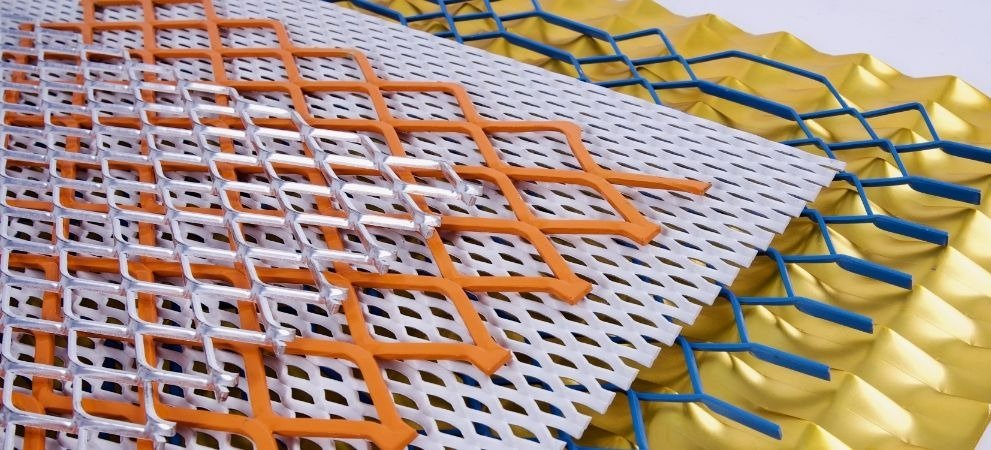
metal mesh products. From superior strength-to-weight ratio and excellent airflow to material efficiency and slip resistance, find your ideal solution.Our expanded metal mesh is manufactured by strategically slitting and stretching a single sheet of metal, expanding its surface area by 3-4 times with virtually no material waste. This process translates into significant cost savings for large-scale projects.The unique integrated structure created by the expanding process provides exceptional strength and rigidity without the added weight of a solid sheet. This makes it an ideal lightweight yet durable material for structures and partitions.The uniform open patterns allow for optimal airflow, light transmission, and heat dissipation. This characteristic is crucial for applications requiring ventilation, such as machine guards, filters, and architectural sunscreens. Especially in expanded metal, the raised, angled strands of the diamond pattern provide a naturally anti-slip surface, enhancing safety underfoot in industrial walkways, platforms, and stair treads.Available in a variety of materials (stainless steel, aluminum, galvanized steel) and patterns (diamond, staggered), metal mesh can serve both functional and decorative purposes, from industrial fencing to modern architectural facades.
Metal mesh production method
Metal mesh is an industrial material crafted by transforming solid metal sheets through precision stamping or cold-expanding processes.Stamping (Perforating): A die is used to punch precise, repeating holes (round, square, etc.) into the metal sheet.
Expanding (Cold-Drawing): The sheet is simultaneously slit and stretched, creating a seamless, integrated mesh that expands in width.
A hallmark of the expanding process is its material efficiency. The original sheet is strategically slit and stretched so that its length remains largely unchanged, while its width expands significantly—often 3 to 4 times the original size. This creates a larger, stronger panel with virtually no material waste
Metal mesh use
Metal Mesh Applications & Uses:
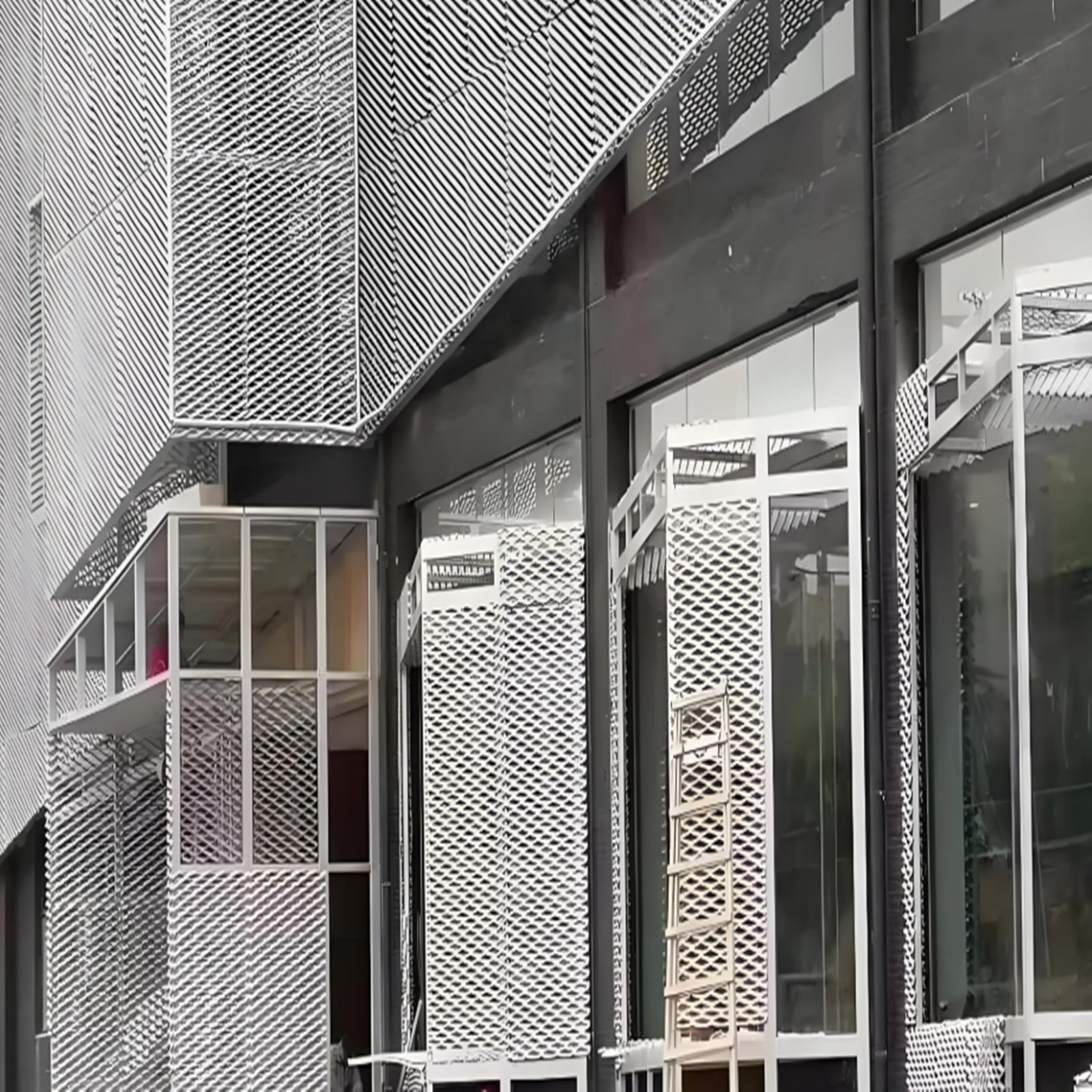
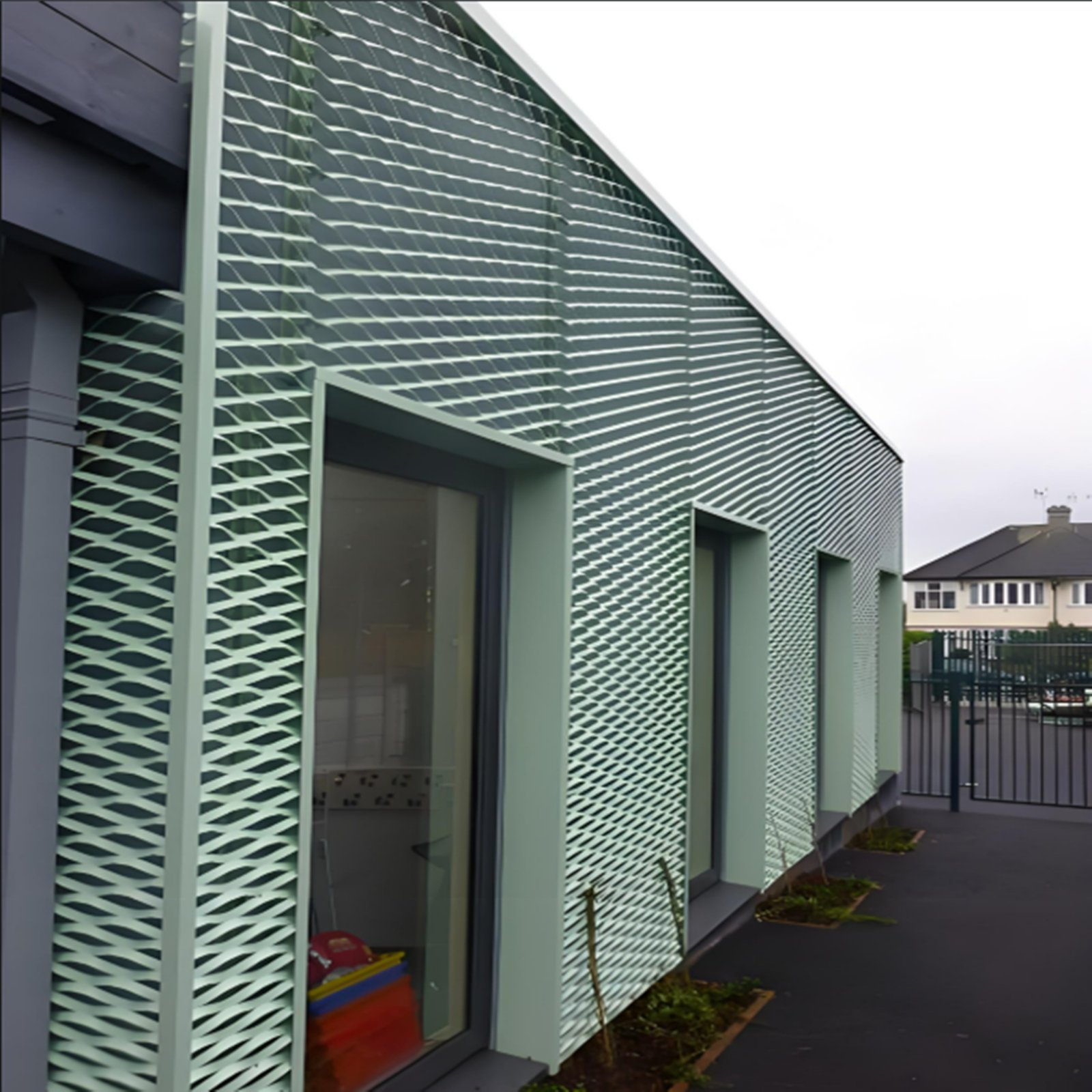
1,Metal mesh is a popular choice in modern architecture for its unique blend of functionality and aesthetics.
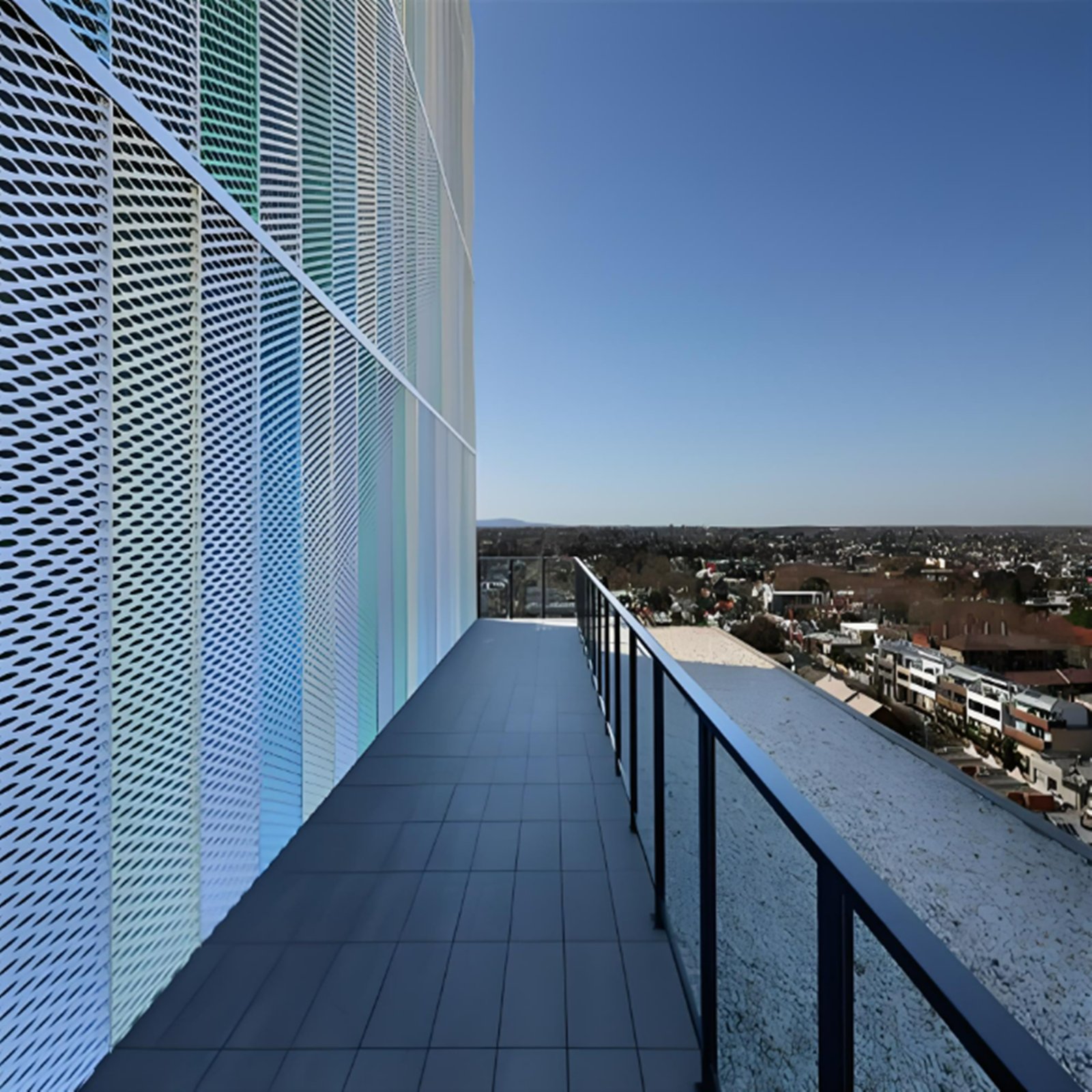
Building Facades & Sunscreens: Creates dynamic, ventilated rain screens that provide solar shading, reduce energy costs, and enhance the building’s exterior appeal.
Balcony & Staircase Balustrades: Offers safety and an unobstructed view, adding a contemporary touch to interiors and exteriors.
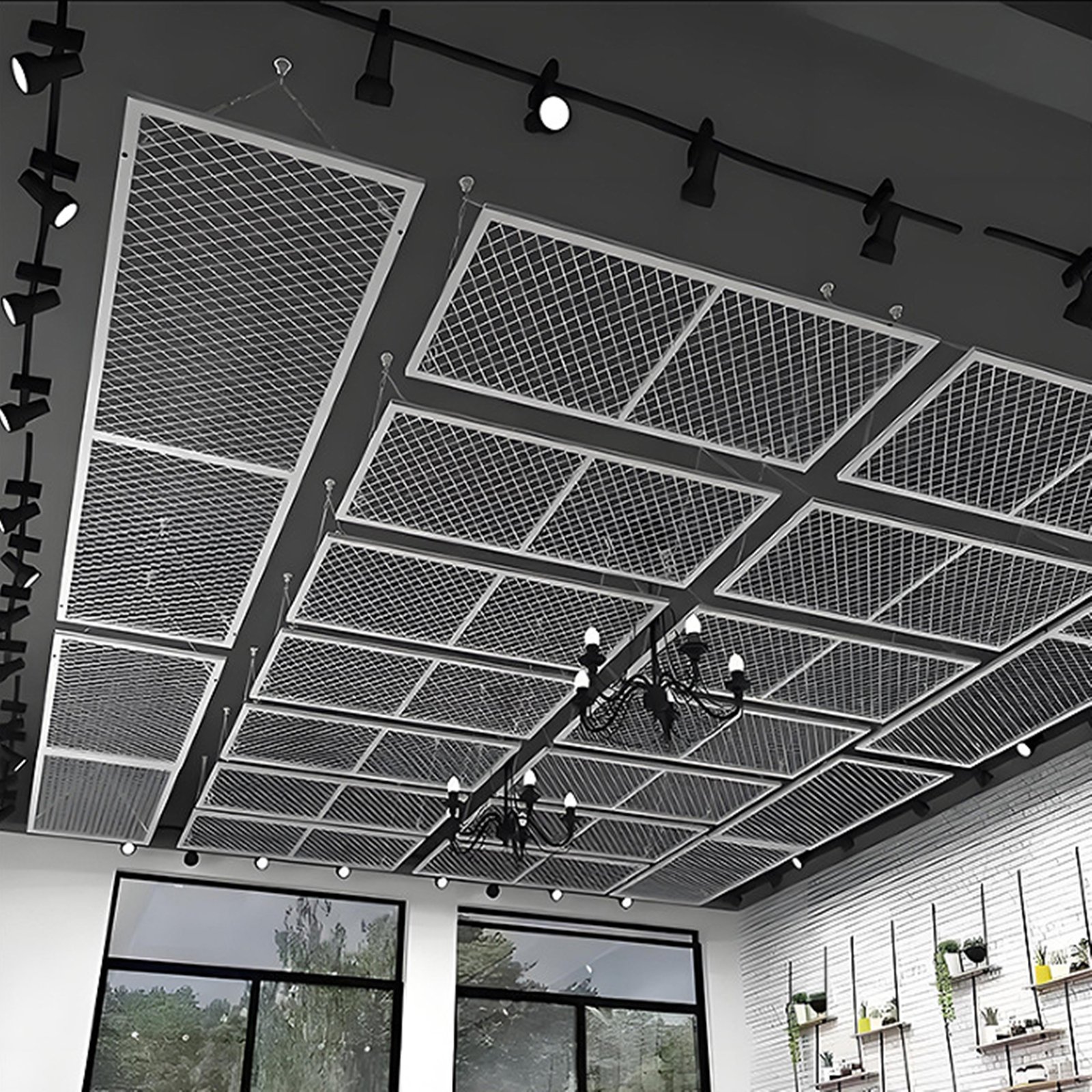
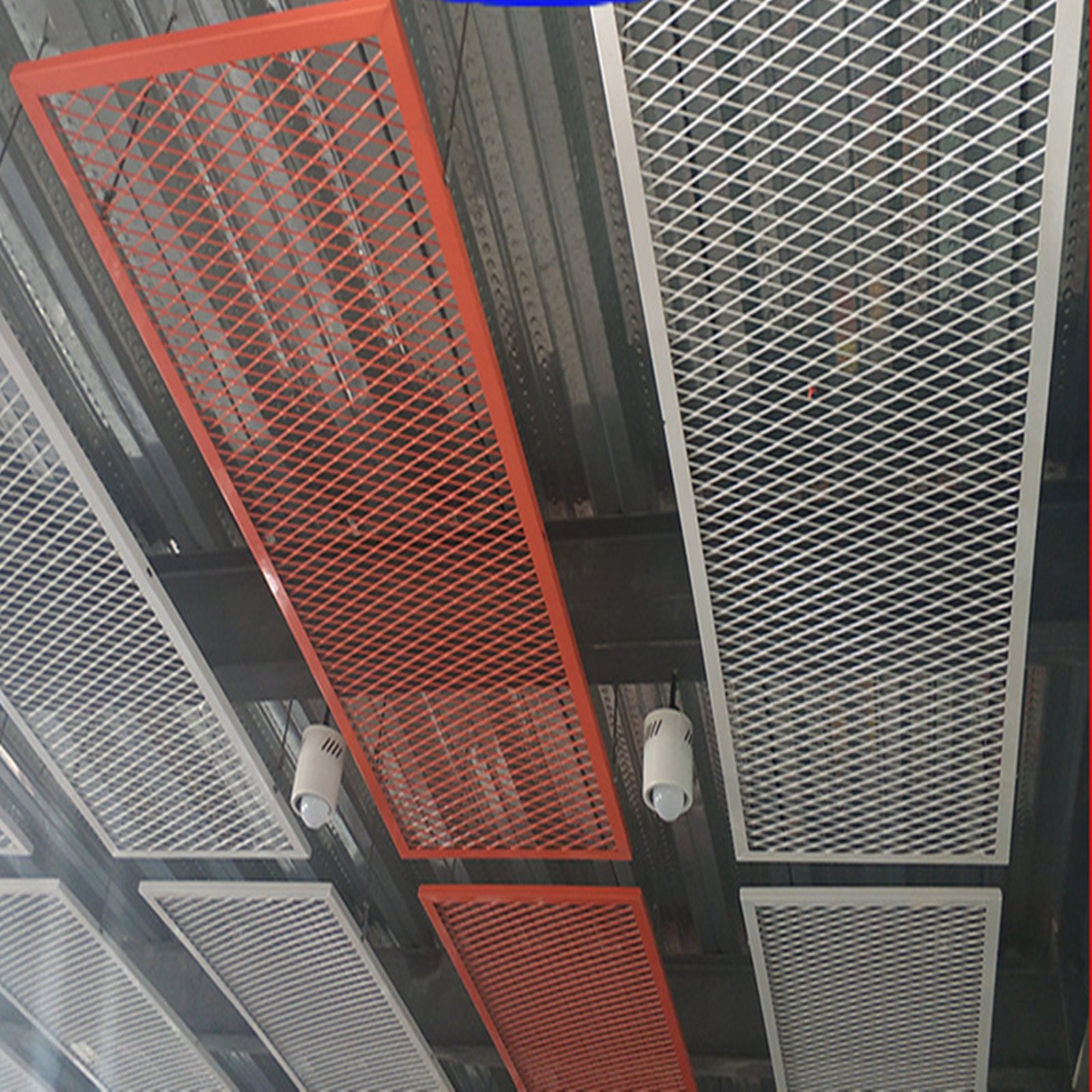
Ceilings & Interior Partitions: Used for suspended ceilings, room dividers, and decorative wall cladding, allowing light and air to flow while defining spaces.
Art Installations & Sculptures: Its malleability and visual texture make it a favorite medium for artists and designers.
2,Renowned for its strength and durability, metal mesh is a cornerstone of industrial safety and infrastructure.
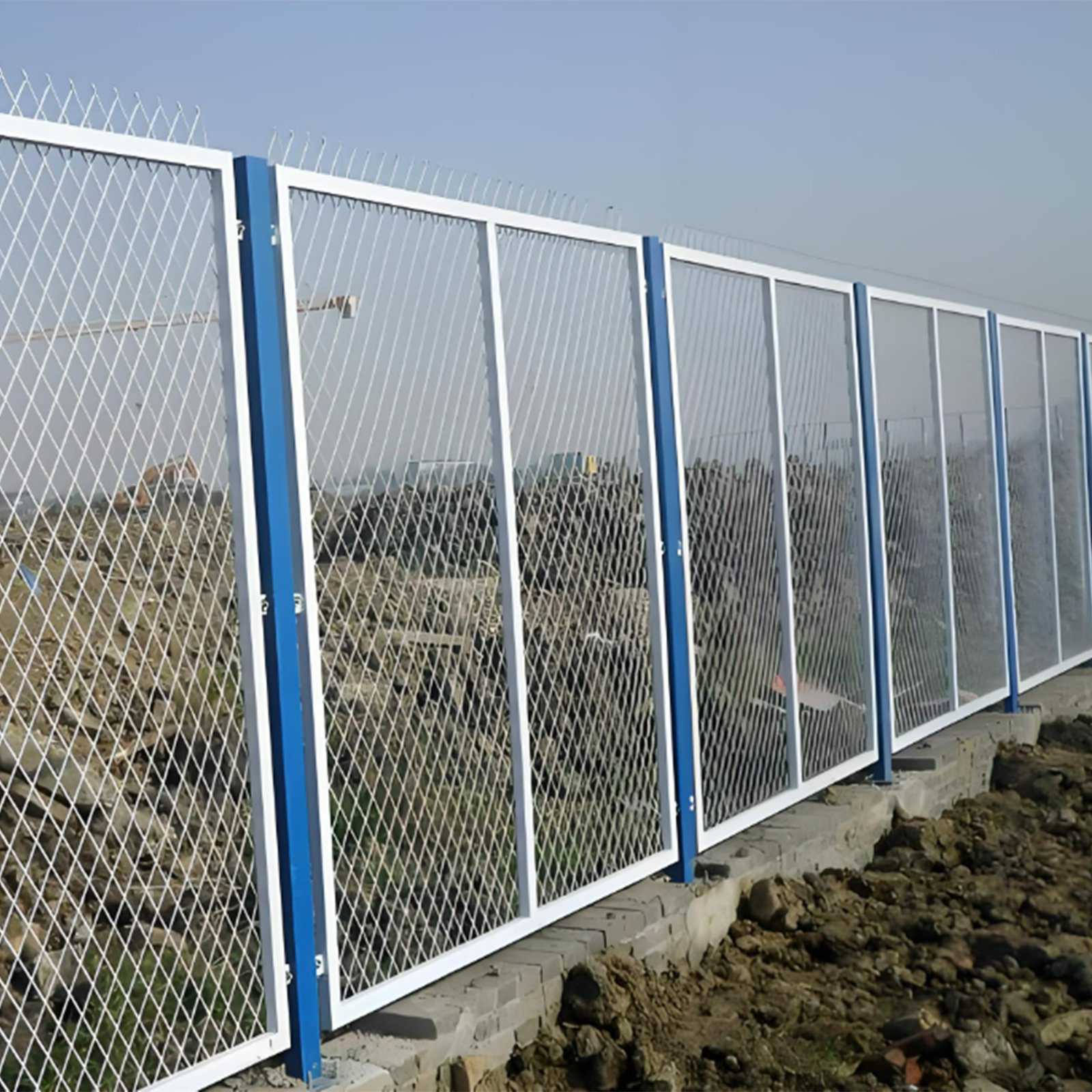
Machine Guarding & Safety Fences: Protects personnel from moving parts and hazardous areas while allowing visibility and airflow to equipment.
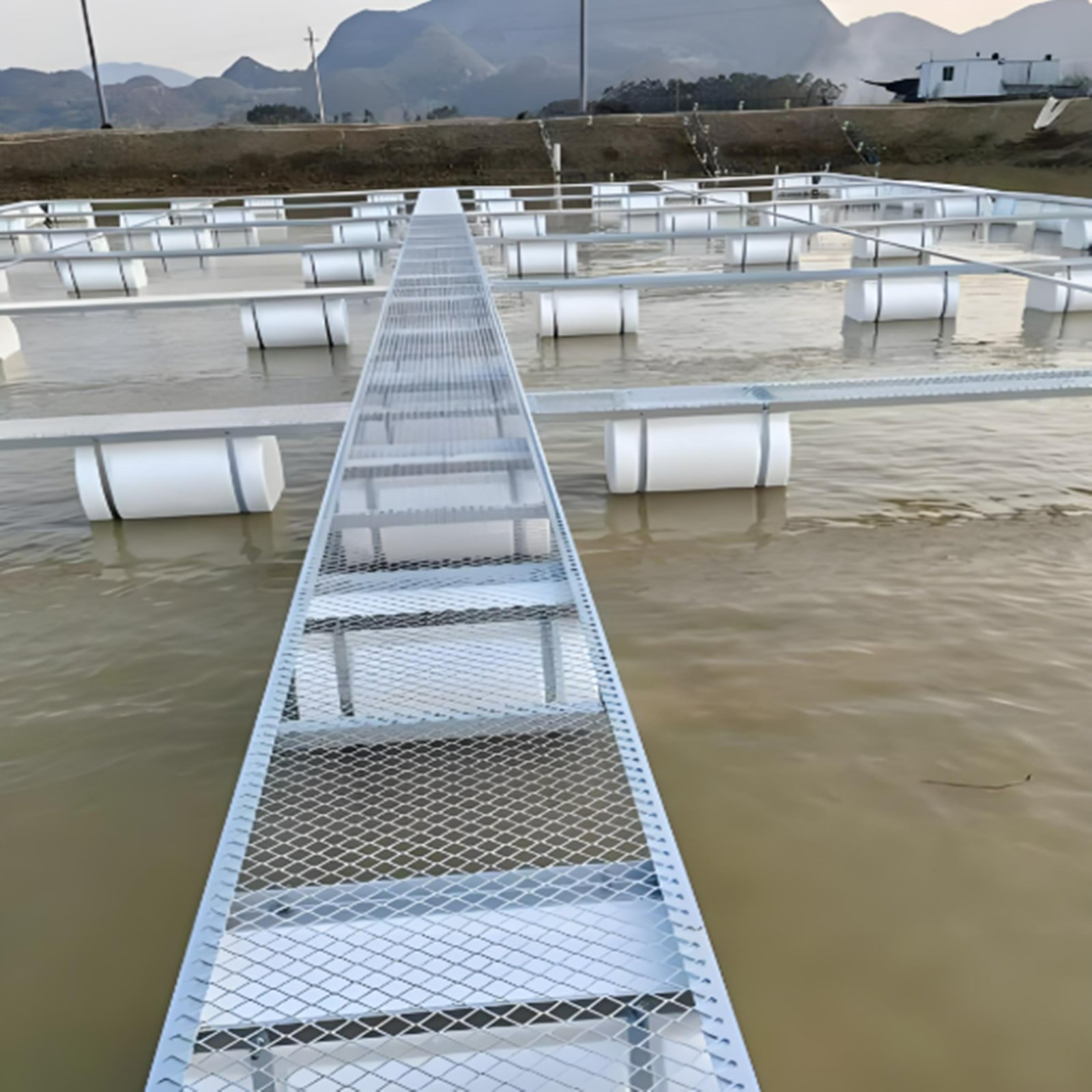
Platform Grating & Walkways: Provides a strong, slip-resistant surface for catwalks, mezzanines, and stair treads in factories and plants.
Filters & Screens: Used in mining, agriculture, and various industries for sorting, sifting, and filtering materials by size.
Material Handling Baskets & Trays: Ideal for heat treatment, washing, and drying processes in manufacturing due to their high-temperature resistance and permeability.
3,Its versatility extends to public works and commercial spaces.
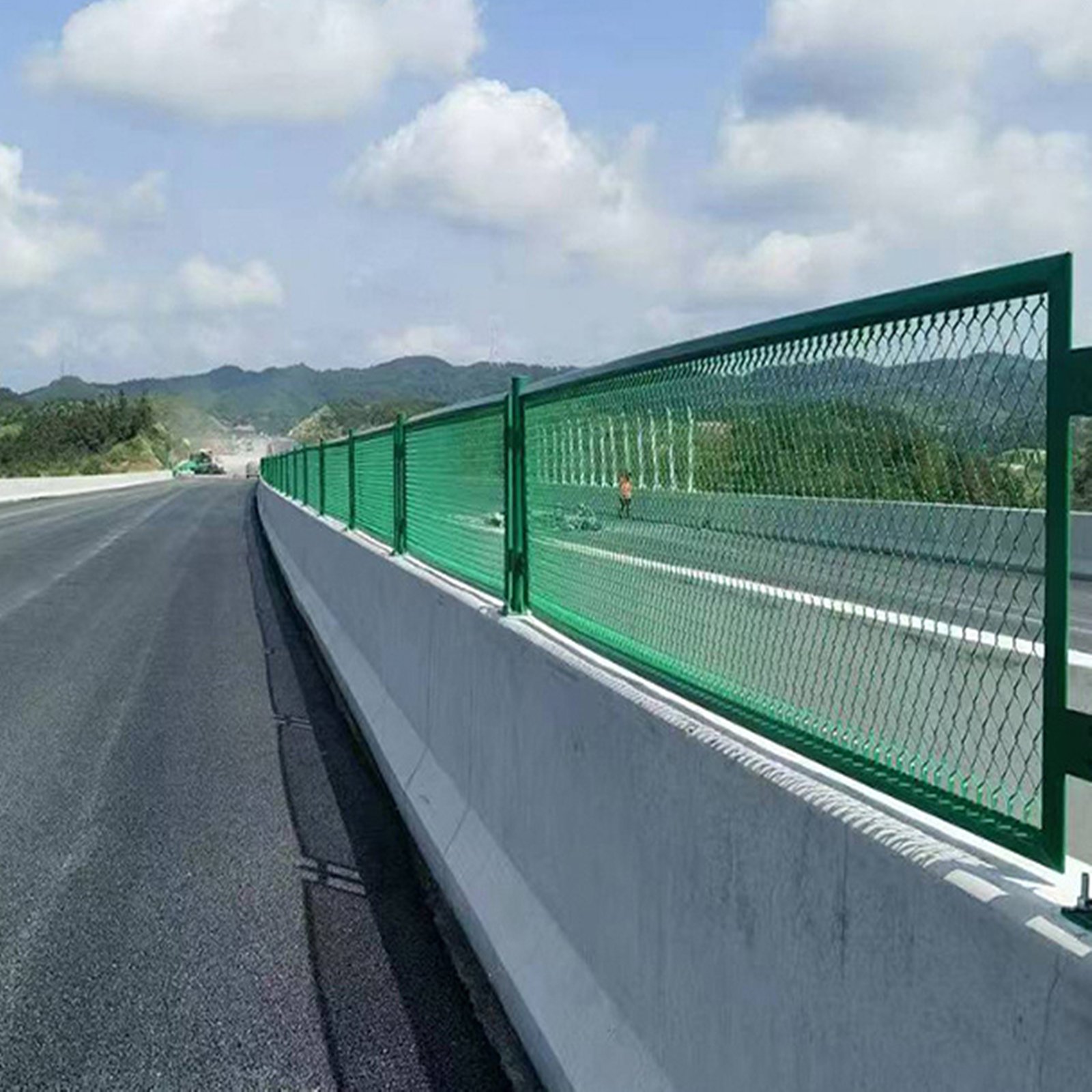
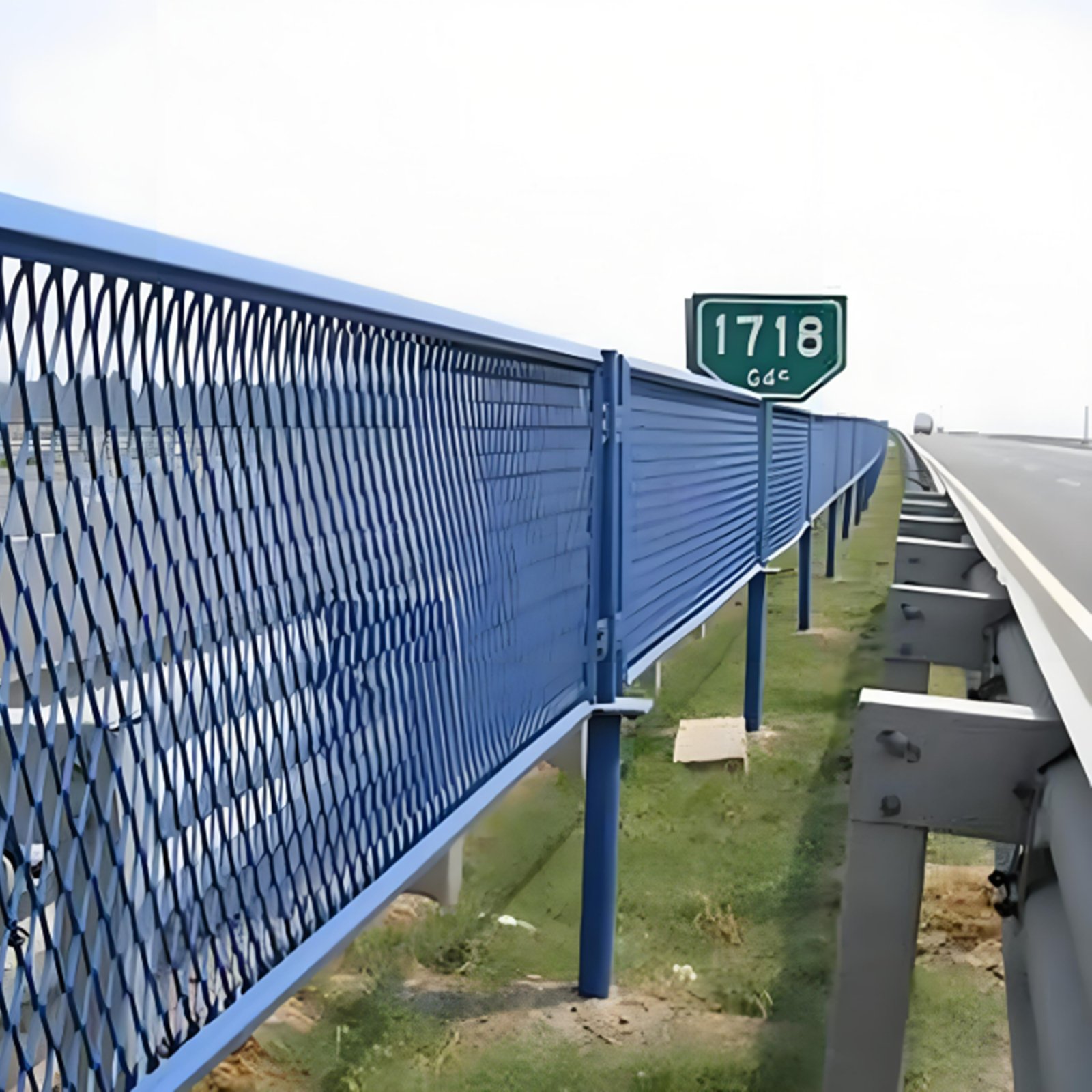
Highway Sound Barriers & Fencing: Used as effective noise reduction walls and secure perimeter fencing for highways, bridges, and public facilities.
Ventilation Grilles & Louvers: Provides durable and efficient airflow solutions in HVAC systems, equipment enclosures, and warehouses.
Display Shelving & Retail Fixtures: Offers a modern, industrial look for product displays in supermarkets and retail stores, allowing product visibility from all angles.
Animal Enclosures & Cages: Used in agriculture and zoos for durable and ventilated animal pens and cages.
Sheet metal mesh material
Metal Mesh Materials:
1,This is the most economical and widely used material. It offers high strength and excellent weldability, making it ideal for heavy-duty industrial applications. It is typically supplied with a galvanized (zinc-coated) finish to provide a protective layer against rust and corrosion.
Key Features: Cost-effective, high strength, weldable, durable.
Common Applications: Industrial fencing, machine guards, construction scaffolding, platform grating, highway sound barriers.
2,The premium choice for environments requiring superior corrosion resistance, high-temperature stability, and hygiene. Common grades include 304 (general purpose) and 316 (with added molybdenum for enhanced resistance to chlorides and acids), offering a long service life with minimal maintenance.
Key Features: Excellent corrosion resistance, high-temperature resistance, hygienic, strong, long-lasting.
Common Applications: Food processing equipment, chemical filters, pharmaceutical screens, marine architecture, architectural facades, heat treatment baskets.
3,Known for its lightweight nature and natural resistance to corrosion (rust-free). Aluminum mesh is malleable and offers a good strength-to-weight ratio. It can be anodized to create a hard, durable, and decorative colored surface, making it a favorite for both functional and architectural projects.
Key Features: Lightweight, corrosion-resistant (rust-proof), good strength-to-weight ratio, can be anodized.
Common Applications: Decorative screens, architectural sunshades, lightweight partitions, ventilation grilles, electronic chassis.
4,Known for its lightweight nature and natural resistance to corrosion (rust-free). Aluminum mesh is malleable and offers a good strength-to-weight ratio. It can be anodized to create a hard, durable, and decorative colored surface, making it a favorite for both functional and architectural projects.
Key Features: Lightweight, corrosion-resistant (rust-proof), good strength-to-weight ratio, can be anodized.
Common Applications: Decorative screens, architectural sunshades, lightweight partitions, ventilation grilles, electronic chassis.
Sheet metal mesh specifications
Steel Expanded Metal : Renowned for its exceptional strength and durability, our low carbon steel expanded mesh is a cost-effective workhorse. It is commonly hot-dip galvanized for enhanced corrosion resistance.
Primary Applications: Ideal for construction frameworks, machine guard panels, and robust highway fencing.
Standard Mesh Types:
Standard/Large Mesh: ≥7mm x 25mm, offering high openness for fencing and ventilation.
Fine/Small Mesh: 9mm x 25mm, providing greater safety and debris containment.
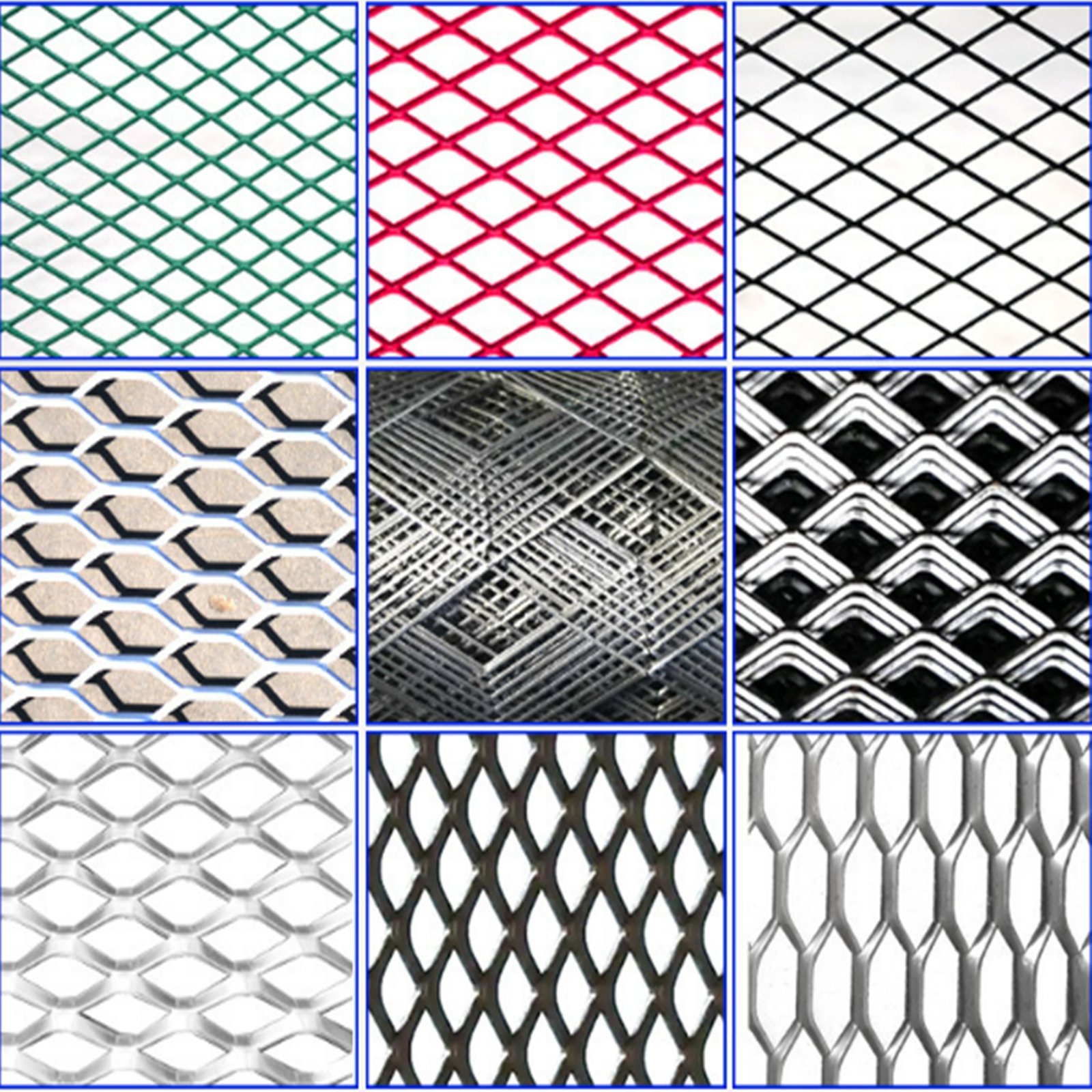
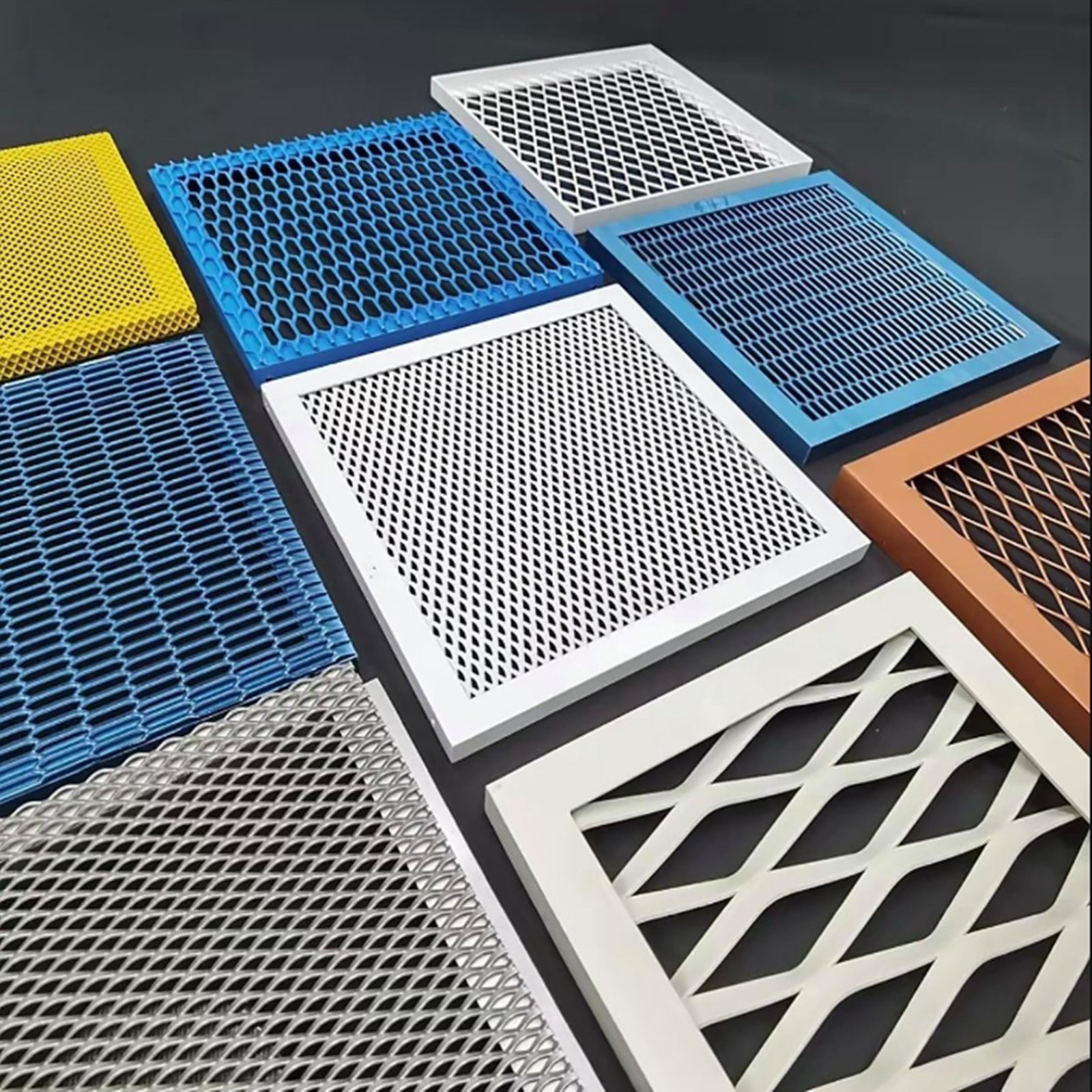
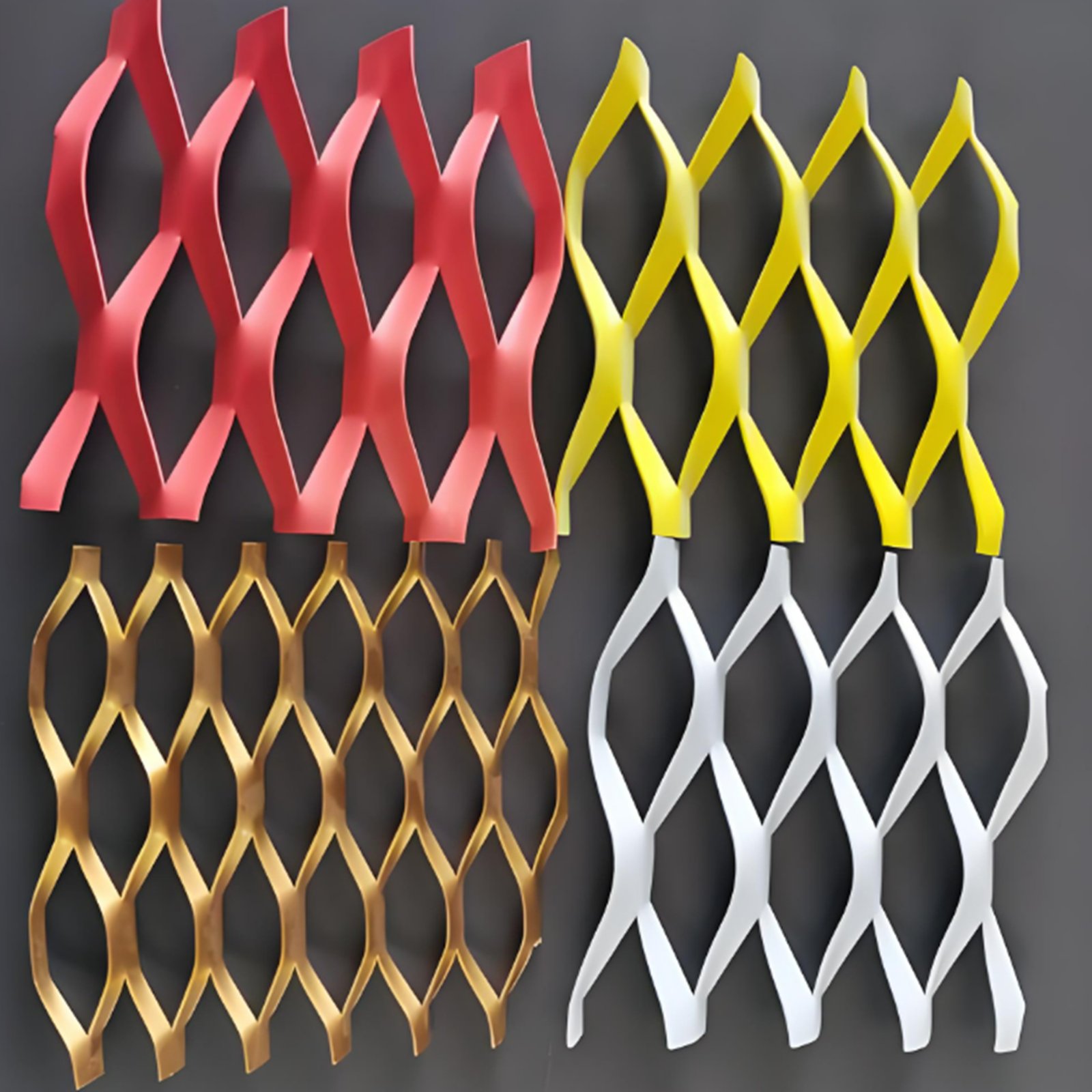
Aluminum Expanded Metal : This material offers an outstanding combination of lightweight properties and natural corrosion resistance. It can be anodized in various colors for both decorative and functional identification purposes. Common patterns include diamond and staggered.
Primary Applications: Widely used in architectural facades, sunscreens, decorative screens, and lightweight machine guards.
Stainless Steel Expanded Metal
EN: Engineered for superior performance in harsh environments, our stainless steel mesh boasts excellent resistance to corrosion, heat, and oxidation. It is available in a variety of patterns, including diamond, hexagonal, and round holes.
Primary Applications: The preferred choice for filter elements, chemical filler supports, heat treatment baskets, and marine platform flooring.
Sheet metal mesh surface treatment process
Metal Mesh Surface Treatment:
1,A common and highly effective process for steel mesh, which involves coating the steel with a layer of zinc to prevent rust.
Electro-Galvanizing: Provides a smooth, bright silver finish with a thin zinc layer. Good for indoor applications with moderate corrosion resistance.
Hot-Dip Galvanizing: Immerses the mesh in molten zinc, creating a thick, durable coating with a characteristic spangled pattern. Offers superior, long-lasting protection for harsh outdoor environments.
2,A dry finishing process where electrostatically charged paint powder is applied to a surface and then cured under heat. It creates a thick, durable, and attractive coating.
Key Features: Available in a wide range of colors (e.g., RAL codes), excellent UV resistance, superior abrasion resistance, and enhanced corrosion protection. Ideal for both aesthetic and functional purposes.
3,An electrochemical process primarily for aluminum mesh that enhances the natural oxide layer on the metal’s surface.
Key Features: Greatly improves corrosion and abrasion resistance. Allows for dyeing in various decorative and durable colors (e.g., bronze, black, gold) while maintaining the metallic luster.
4,Involves dipping the metal mesh (usually galvanized steel) into a fluidized bed of PVC plastisol and then heating it to form a seamless, flexible plastic layer.
Key Features: Provides excellent corrosion resistance and physical protection. Available in colors like green and black, it offers a comfortable grip and is commonly used for fencing and handrails.
5,While stainless steel is naturally corrosion-resistant, a chemical passivation process can be applied to remove free iron contaminants from the surface and maximize the inherent corrosion resistance of the chromium layer.
Sheet metal mesh: It is a metal sheet with diamond-shaped, herringbone-shaped, triangular and other hole shapes on the surface.Metal mesh production method: It is made of stainless steel plate, aluminum plate, mild steel plate and other materials through stamping and cold drawing processes.Characteristics of sheet metal mesh: The width of the sheet metal can be expanded to 3-4 times the original width during the production process.Sheet metal mesh specifications: The specifications are described by thickness (0.5-8mm), mesh size (short pitch 3-50mm, long pitch 6-100mm) and area parameters.Sheet metal mesh material: It can be divided into steel plate mesh, aluminum plate mesh and stainless steel plate mesh: the steel plate mesh is made of mild steel, and the hole size is divided into large holes (≥7×25mm) and small holes (9×25mm), which is suitable for building skeletons, equipment protective covers and highway guardrails and other fields; The aluminum mesh contains diamond-shaped and herringbone hole types, which can be electrochemically treated to form decorative colors. Stainless steel plate mesh has corrosion resistance characteristics, and the hole types include diamond, hexagonal, and round.Sheet metal mesh surface treatment process: painting, galvanizing, spraying and dipping, etc.Metal mesh use: The application fields involve building curtain walls, noise control, mechanical protection, decorative ceilings and chemical filler heating nets, etc.
Related Products